Dehua, Fujian — a thousand years of white porcelain
The Dehua kilns in Fujian, China have produced white porcelain for more than a thousand years. Exported along the maritime Silk Road from the Song dynasty onward, Dehua ware reached Europe under the name that still defines it: Blanc de Chine — the white of China.
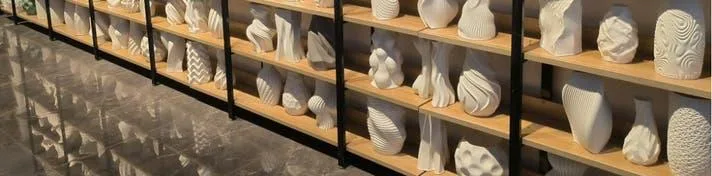
What makes Dehua porcelain distinct is the clay itself: unusually low in iron and rich in potassium, it fires to a warm, translucent ivory rather than a cold blue-white — and it holds fine detail through the shrinkage of a high-temperature firing. That combination of whiteness and structural strength is why the material suits both a vessel for flowers and a body for light.
- Since
- 1,000+ years of continuous production
- Known as
- Blanc de Chine
- Recognition
- Dehua kiln sites are part of the UNESCO World Heritage listing “Quanzhou: Emporium of the World in Song-Yuan China” (2021)
- Material
- Low-iron, high-potassium porcelain clay
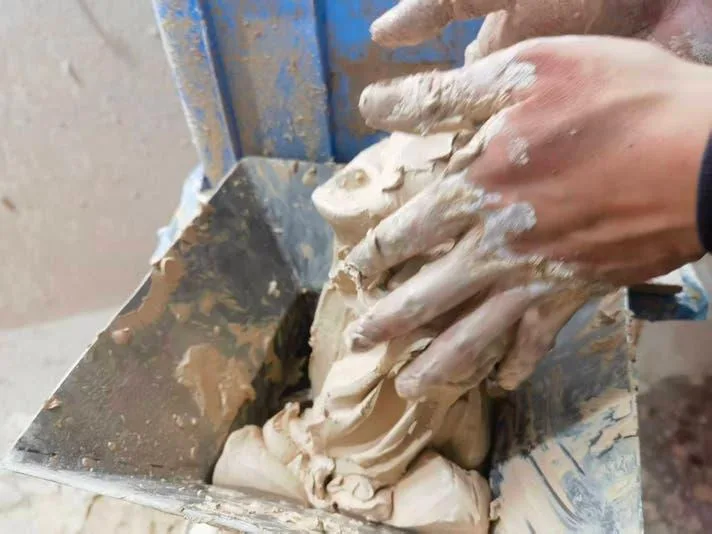
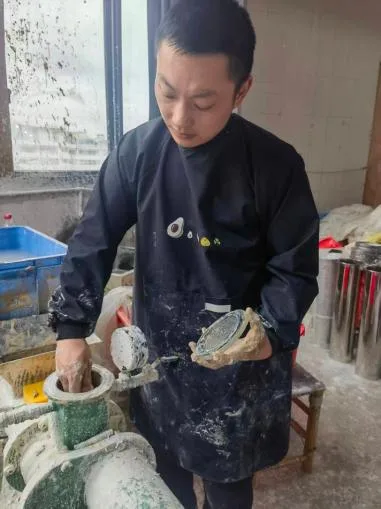
Not a craft object. Not an industrial product.
We work with Dehua clay, but not with Dehua’s traditional plaster moulds. Our forms are drawn in 3D and extruded layer by layer — geometry that no mould can release, made in the place that has understood this clay the longest.
02 — Technology →