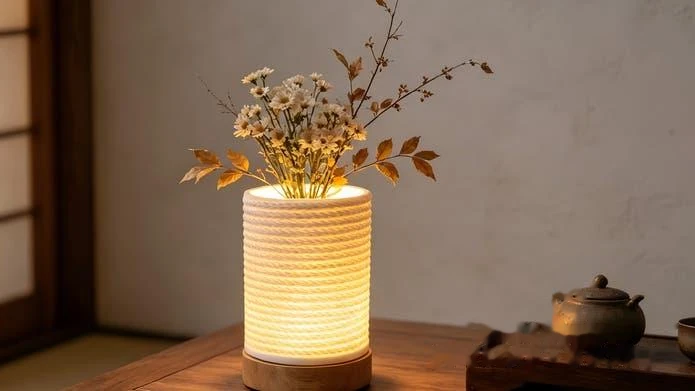
Silent Ripple
Silent Ripple
Even horizontal lines with the quiet regularity of ripples on still water. When lit, the shadow spreads outward in soft bands — calm, and slow to leave.
Buy on Amazon ↗Dehua Porcelain × Digital Craft
Vessels printed layer by layer from Dehua porcelain clay, fired and finished by hand in Fujian, China. Each piece is a vase by day and a lamp by night.
01 — Collection
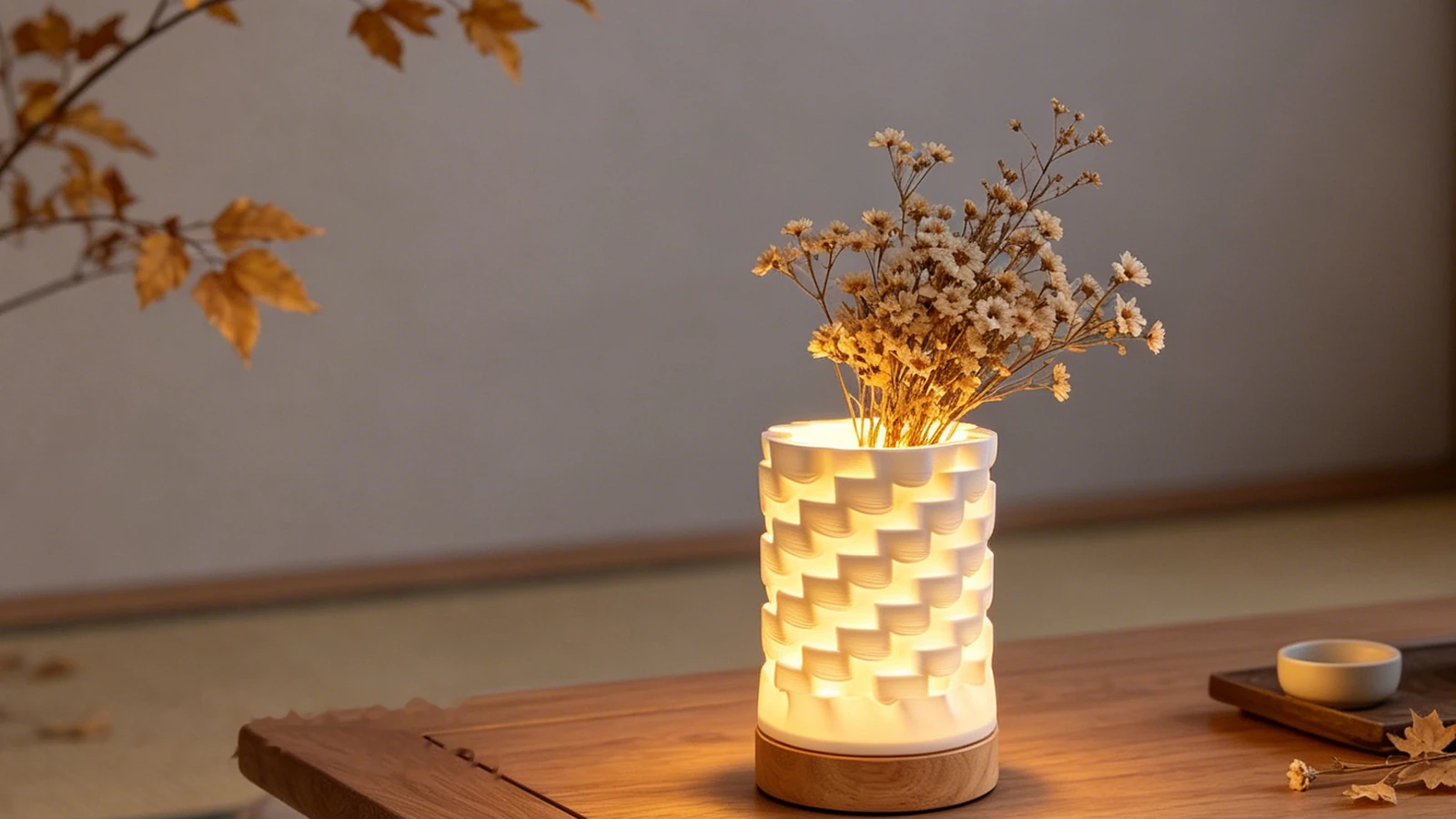
Silent Ripple
Even horizontal lines with the quiet regularity of ripples on still water. When lit, the shadow spreads outward in soft bands — calm, and slow to leave.
Buy on Amazon ↗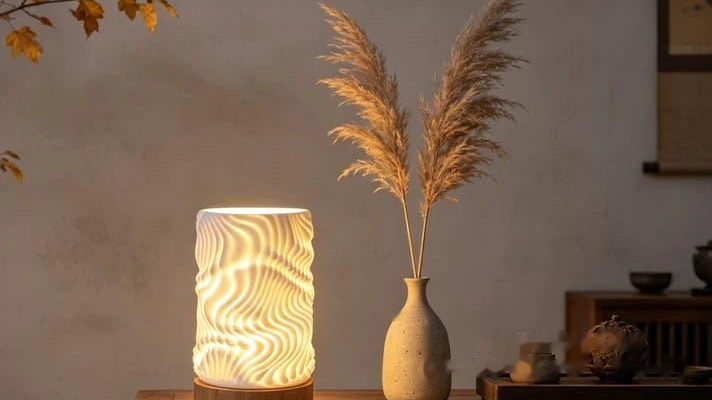
Whispering Clay
Irregular, handmade in feel — as though the clay itself were speaking. The most organic of the six: fluid, soft, unforced.
Buy on Amazon ↗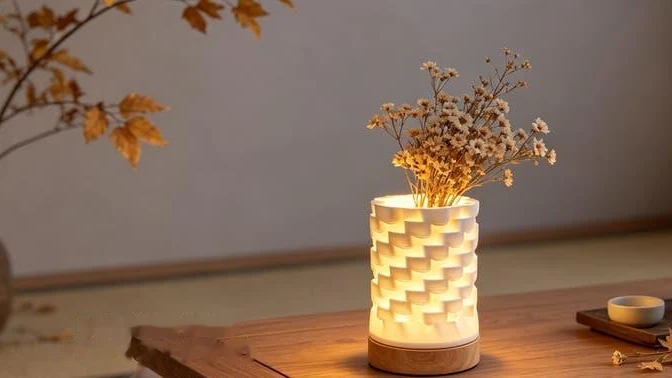
Lattice Glow
A three-dimensional, regular lattice. The shadow it throws is the point — closer to light through a paper screen than to a lamp.
Buy on Amazon ↗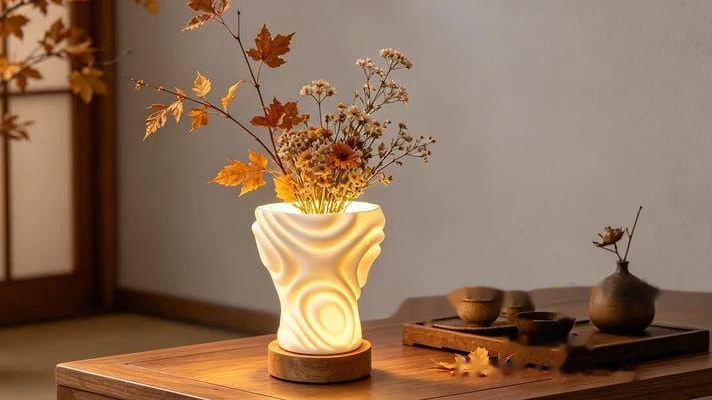
Flow Veil
A smooth run of water held in porcelain — an ordered form that wears its light like a veil. Soft, and easy to place in a room.
Buy on Amazon ↗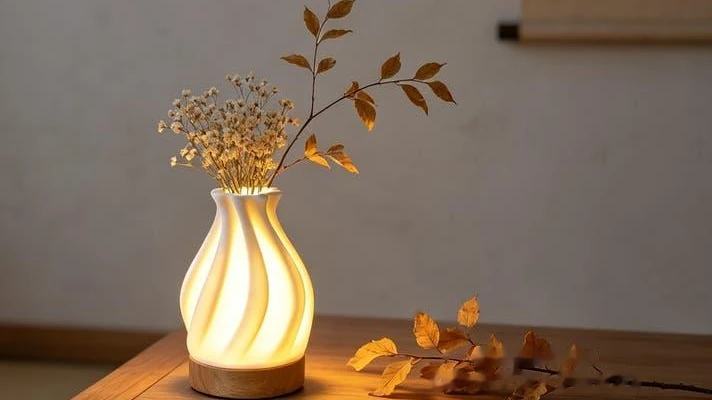
Golden Drop
Vertical flow, soft curves, a silhouette that reads from across the room. Lit, it looks like a single drop of light.
Buy on Amazon ↗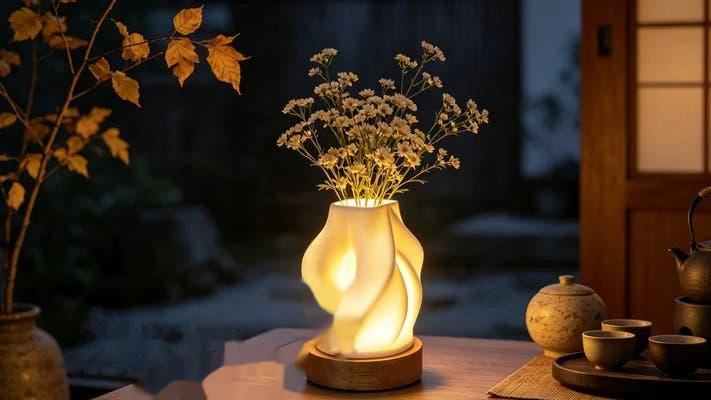
Twilight Flame
The most dynamic of the six, with the strongest light contrast. An art piece that holds a surface on its own; lit, flame-shaped shadows appear.
Buy on Amazon ↗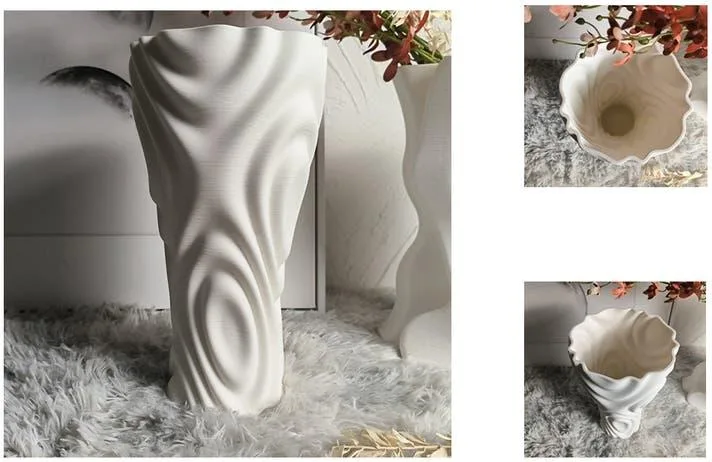
02 — Material
The Dehua kilns in Fujian, China have produced white porcelain for more than a thousand years. Exported along the maritime Silk Road from the Song dynasty onward, Dehua ware reached Europe under the name that still defines it: Blanc de Chine — the white of China.
03 — Technology
Cerapira pieces are made by paste extrusion: real Dehua porcelain clay is pushed through a nozzle and laid down in a continuous coil, layer over layer, following a path generated from a 3D model. Nothing is cast, nothing is glued. What comes off the printer is already the finished form — it then goes through drying, hand trimming, firing and inspection exactly as any other piece of Dehua porcelain would.
Read more →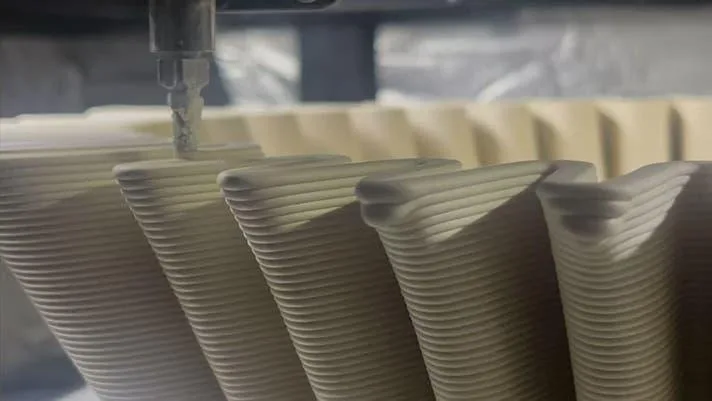
Continuous spirals, undercuts, lattices and walls that vary in thickness from top to bottom. Slip casting needs a form that can leave the mould; printing does not.
The same file produces the same wall, the same rhythm of lines, the same light pattern — across the first piece and the five-hundredth.
A new shape costs a new file, not a new plaster mould. That is what makes short runs, seasonal variants and one-off commissions economically possible.
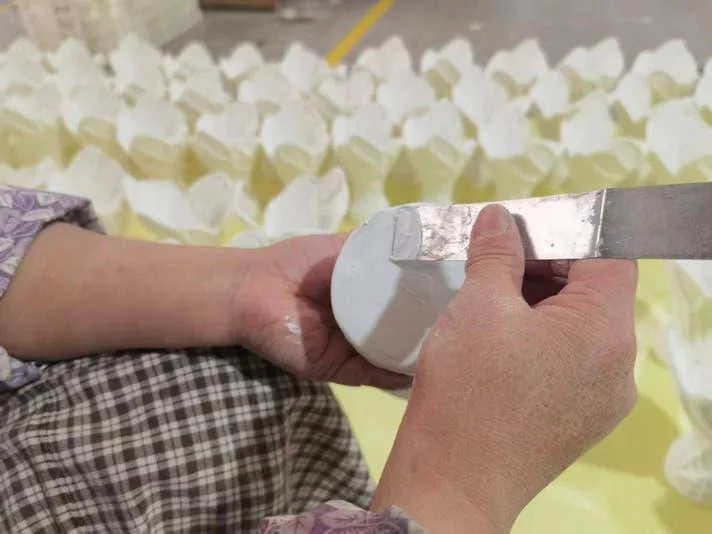
Trimming, firing and inspection remain human work. Clay shrinks, the kiln has its own opinion — no two pieces come out identical, and we do not pretend otherwise.
04 — Bespoke / B2B
Because nothing is cast in a mould, a new product costs a new file rather than new tooling. That changes what is worth making: fifty pieces for a hotel lobby, a seasonal variant for a lighting brand, a single commission for an artist — all of it is on the table.